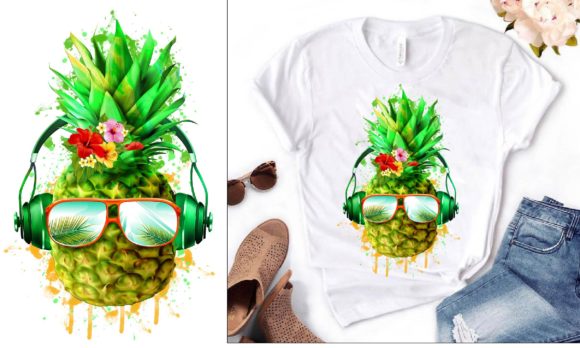
Pineapple Watercolor Sublimation Graphic: A Designer's Review
As someone who spends more time staring at stitch maps than most people spend watching television, I approach every new machine embroidery design with a healthy dose of skepticism. We have all been there: you download a file that looks vibrant on the screen, only to watch it turn into a puckered mess of thread breaks and lost details once it hits the hoop. That is why I took a close look at the Pineapple Watercolor Sublimation Graphic before committing it to any client work. While this asset is categorized under Print Templates, my job is to determine if it can cross the bridge from digital print to tangible textile art without losing its soul.
The first impression of the Pineapple Watercolor Sublimation Graphic is undeniably cheerful. There is a specific mood it creates—a blend of tropical relaxation and artistic softness that feels perfect for the current market trend toward "lived-in" luxury. The shape is organic, avoiding the rigid geometric lines that often plague lower-quality digitized files. Instead, the layout suggests a fluidity that mimics actual brushstrokes. For an embroidery project, this visual personality is crucial. It tells me immediately that this isn't just a logo; it is a statement piece meant for lifestyle products. However, translating a watercolor aesthetic into thread requires careful consideration of stitch density and color transitions.
Real-World Application: The Summer Tote Scenario
To truly evaluate this design, I imagined a specific real-life scenario that many of us face during the spring rush: preparing a custom order for a local boutique needing branded tote bag designs. The client wanted something that felt handmade but polished, suitable for a beachside gift shop. The Pineapple Watercolor Sublimation Graphic seemed like the ideal candidate.
In this context, the design shines because of its versatility. When applied to a canvas tote, the softer edges of the watercolor style prevent the embroidery from looking too industrial. If I were to use a standard, hard-edged vector pineapple, it might feel too corporate. But here, the variation in tone allows me to play with thread colors in a way that builds depth. I envisioned using a blend of golden yellows and muted greens, perhaps incorporating a satin stitch for the leaves to give them a slight sheen, contrasting with a lighter fill stitch for the fruit body to maintain that matte, painted look.
This approach elevates the finished product from a simple promotional item to a desirable accessory. Customers are far more likely to engage with a handmade product that feels curated rather than mass-produced. For an Etsy seller or small shop owner, this distinction is the difference between a one-time purchase and a loyal following. The design supports brand consistency by offering a unique visual anchor that doesn't scream "clip art."
Navigating Fabric Textures and Hoop Limitations
While the aesthetic appeal is high, practical application requires us to talk about where this design might struggle. Not every surface is created equal. If you are planning to use the Pineapple Watercolor Sublimation Graphic on textured fabrics like waffle weave towels or heavy fleece sweatshirt embroidery, you need to proceed with caution. Watercolor effects rely on subtle gradations. On a highly textured surface, those fine details can get lost in the fabric's pile, resulting in a muddy appearance.
Furthermore, consider the hoop size. If your machine has a smaller field, you might be tempted to shrink the design to fit a cap or a baby onesie. I would advise against reducing it too much. Intricate watercolor styles often rely on tiny running stitches or short satin columns to create the illusion of blending. If scaled down below a certain threshold, these details merge, and the definition of the pineapple disappears. For baby embroidery or embroidered patches, ensure the design remains large enough to retain its character, or simplify the digitizing if you have the skills to edit the embroidery file.
Dark fabrics present another challenge. Since this graphic likely relies on light-to-medium tones to achieve the watercolor look, stitching it directly onto black navy fabric without an underlay or background patch could result in poor contrast. In such cases, consider using an applique design technique. Cut a light-colored fabric backing in the shape of the pineapple, stitch it down, and then embroider the watercolor details on top. This not only solves the visibility issue but also adds a lovely tactile dimension to the custom apparel.
Enhancing Value and Professionalism
Why does the choice of design matter so much for your craft business? Because it directly impacts perceived value. When a customer holds a pillow cover or opens a personalized gift featuring the Pineapple Watercolor Sublimation Graphic, they are subconsciously evaluating the effort and artistry involved. A design that looks thoughtful and well-executed builds trust. It signals that the maker cares about quality.
For those selling digital embroidery files or design assets, presenting this graphic in high-quality printable mockups is essential. Show potential buyers how it looks on a linen napkin versus a denim jacket. Demonstrate its adaptability. This kind of presentation helps buyers visualize the end result, increasing buyer engagement and conversion rates. Whether it is for holiday embroidery gifts or summer wedding favors, the versatility of this theme allows it to fit multiple seasons if styled correctly.
Essential Notes for the Working Designer
Before you load this design into your machine for a paid order, here are a few practical steps I always take:
- Test on Scrap First: Never skip this step. Stitch the Pineapple Watercolor Sublimation Graphic on the exact same fabric and stabilizer combination you plan to use for the final item. This reveals issues with puckering or registration errors.
- Check Stabilizer Choice: Watercolor effects often require stable foundations to keep the fine lines crisp. A cut-away stabilizer might be better than tear-away for garments that will undergo frequent washing.
- Review Thread Contrast: Ensure your chosen thread palette has enough variation to define the watercolor layers. If the colors are too similar, the design will look flat.
- Verify Licensing: Since this originates as a Print Template, double-check the license terms. Can you sell the physical embroidered item? Can you sell the digitized version? Always confirm before listing items in your small shop product catalog.
- Inspect Small Details: Look closely at the tips of the leaves and the crown of the pineapple. These are common break points. You may need to adjust tension or speed.
Ultimately, the Pineapple Watercolor Sublimation Graphic is a strong contender for designers looking to add a touch of artistic flair to their repertoire. It bridges the gap between digital artistry and traditional needlework effectively, provided it is treated with the respect and technical preparation it deserves. By understanding its limitations regarding fabric texture and scale, and by leveraging its strengths in color and mood, you can create commercial embroidery pieces that stand out in a crowded market. Whether you are making a single personalized gift for a friend or producing a run of boutique merchandise, this design offers the flexibility and charm needed to make your work memorable.