Review: Beautiful Hand Drawn Foliage Card Design for Embroidery
As a designer who spends more time staring at stitch simulations than I do sleeping, I approach every new machine embroidery design with a mix of hope and skepticism. We have all been there: you download a file that looks stunning on the screen, only to find it turns into a bird's nest of thread once it hits the fabric. Today, I am taking a close look at the Beautiful Hand Drawn Foliage Card Design. While this asset is categorized under Print Templates, my interest lies in its potential translation from a digital graphic to a tangible embroidery project. Can this delicate, organic aesthetic survive the needle, or is it strictly for ink?
The First Impression: Organic Flow vs. Stitch Reality
The moment you open the file, the mood is immediately apparent. This isn't your standard, rigid botanical clipart. The lines possess a genuine "hand-drawn" quality, featuring varying line weights and a loose, sketchy energy that feels very current. For those of us creating handmade products, this imperfection is actually a feature, not a bug. It suggests warmth and artisanal care, which is exactly what customers look for in a personalized gift.
However, from a technical standpoint, this style presents a challenge. True hand-drawn aesthetics often rely on fine, single-weight lines that mimic a pen or pencil. In the world of embroidery, translating this requires a careful balance of running stitch and perhaps very light satin stitch work. If the digitizer has done their job correctly, the design should maintain its airy feel without compromising structural integrity. My initial assessment is that this design shines best when used as a focal point rather than an all-over pattern, allowing the negative space to breathe just as it does in the original illustration.
Real-World Application: The Boutique Tote Bag Scenario
To truly test the viability of the Beautiful Hand Drawn Foliage Card Design, I imagined a specific real-life scenario: a custom order for a local boutique needing branded tote bag designs. The client wanted something earthy and sophisticated, avoiding the loud, blocky logos common in mass production.
In this context, the foliage theme is perfect. Imagine stitching this onto a heavy canvas tote using a muted sage green or a deep charcoal thread. The organic shapes would complement the natural texture of the canvas beautifully. Unlike a dense fill stitch logo that might make the bag stiff, this lighter design allows the fabric to drape naturally. For an Etsy seller or small shop owner, this kind of subtlety elevates the perceived value of the finished product. It signals that the item was crafted with intention, potentially justifying a higher price point compared to generic merchandise.
Beyond bags, I can see this working exceptionally well on sweatshirt embroidery. A French terry crewneck with this foliage motif stitched over the heart or down the sleeve offers a trendy, boho-chic vibe that appeals to a wide demographic. It avoids the "corporate uniform" look and leans heavily into the lifestyle brand aesthetic that is so popular right now.
Navigating Fabric Textures and Hoop Limitations
While the design is versatile, it is not without its constraints. Because the appeal of the Beautiful Hand Drawn Foliage Card Design relies on fine details, you must be cautious about where you place it. On highly textured fabrics like looped towels or thick wool blankets, those delicate lines might get lost or break up. The needle could struggle to penetrate consistently if the fabric pile is too high, resulting in a jagged appearance.
Furthermore, consider the hoop size. If you are planning to use this on a cap or a curved surface, ensure the design fits within a smaller hoop without losing its proportion. Curved surfaces can distort designs, and intricate foliage corners might pull or pucker if the stitch density is too high for the material. Speaking of density, this is a critical factor. If the original file was intended for print, it may need re-digitizing for embroidery to ensure the stitch count isn't excessive. High density on stretchy fabrics, like baby clothes or performance tees, can lead to tunneling or restricted movement.
For baby embroidery projects, softness is paramount. If you choose to use this design on a onesie or bib, opt for a lighter weight thread and ensure the backing stabilizer is tear-away rather than cut-away, so the inside of the garment remains soft against sensitive skin.
Commercial Viability and Brand Consistency
For creative entrepreneurs and digital product sellers, the question often comes down to licensing and versatility. Since this item is listed under Print Templates, it is vital to verify the license terms before selling physical goods. Some print assets are strictly for paper crafts or sublimation and may not include the rights for commercial embroidery sales. Always check the specific usage rights regarding commercial embroidery and the sale of finished items.
Assuming the license permits it, this design is a strong contender for building brand consistency. Its neutral, nature-inspired theme makes it adaptable for various seasons. With simple thread color swaps, it transforms from a spring pastel motif to a rich, autumnal holiday embroidery piece. This flexibility means you aren't buying a one-off asset; you are investing in a core design asset that can be rotated through your inventory year-round.
Visual appeal also translates to trust. When a customer sees clean, crisp stitching with no loose threads or puckering, they associate that quality with your brand. The Beautiful Hand Drawn Foliage Card Design, when executed well, enhances this perception. It looks professional yet approachable, striking that difficult balance that drives buyer engagement on platforms like Etsy or at local craft fairs.
Practical Notes for the Serious Stitcher
Before you commit to a full production run, here are my non-negotiable steps for testing this design:
- Test on Scrap First: Never skip the sample stitch-out. Use the exact fabric and stabilizer combination you plan to use for the final product.
- Check Thread Contrast: Because the lines are fine, ensure your thread color contrasts enough with the fabric to be visible, but not so much that it looks harsh.
- Inspect Small Details: Zoom in on the stitched sample. Are the tiny leaves connecting properly? Is there any thread bunching in the tight corners?
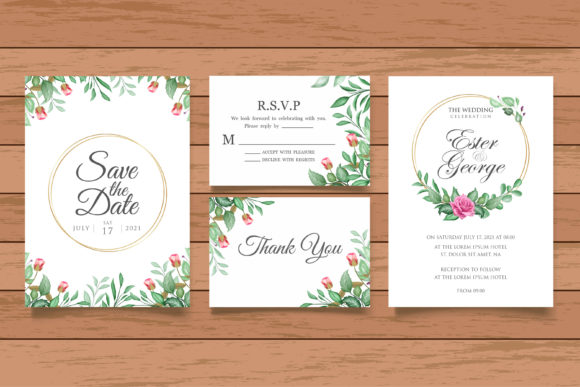
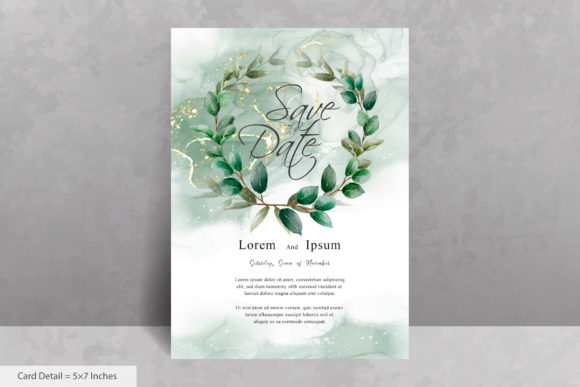
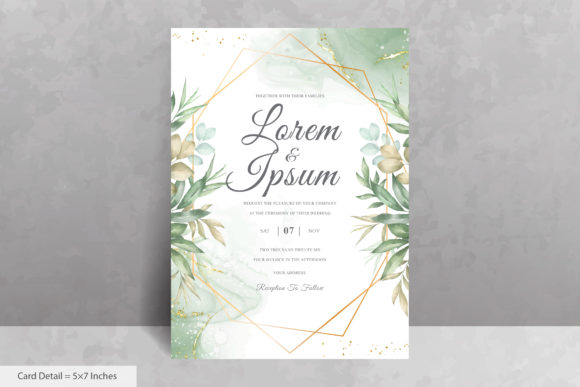
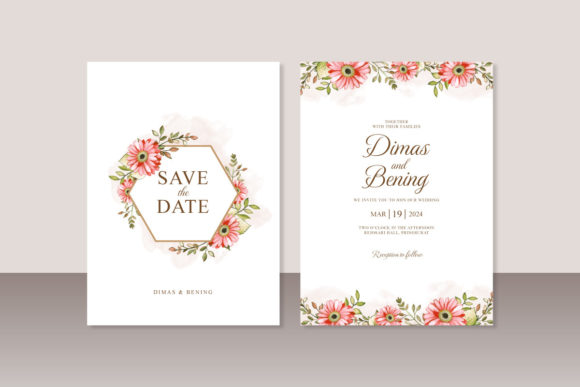
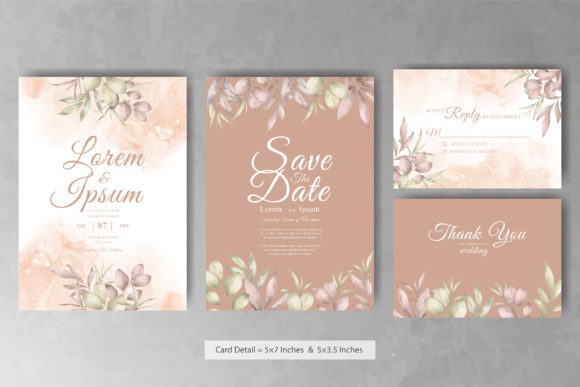
- Mockup Verification: Even though this is an embroidery review, looking at the printable mockup versions can help you visualize placement and scale before hooping.
- Stabilizer Selection: Match your stabilizer to the fabric weight. A woven shirt needs different support than a knit sweatshirt.
Ultimately, the Beautiful Hand Drawn Foliage Card Design holds significant promise for those willing to pay attention to the details. It bridges the gap between digital artistry and tactile craft. Whether you are decorating custom apparel, creating an embroidered patch, or launching a new line of home decor, this design offers a sophisticated foundation. Just remember to respect the limitations of the medium, verify your commercial rights, and always let the quality of your stitching speak for itself.