Review: Boho Geom Papers Vol. 138 Collection for Embroidery
As a designer who spends more time staring at stitch simulations than I do sleeping, I approach new design assets with a healthy dose of skepticism. We have all downloaded a digital embroidery file that looked stunning on the screen but turned into a bird's nest of thread on the hoop. Today, I am taking a close look at the Boho Geom Papers Vol. 138 Collection. While this collection is categorized under Backgrounds, my interest lies in how these geometric patterns translate from flat digital art to tangible machine embroidery design projects for real-world clients.
The Aesthetic: Modern Boho Meets Structural Precision
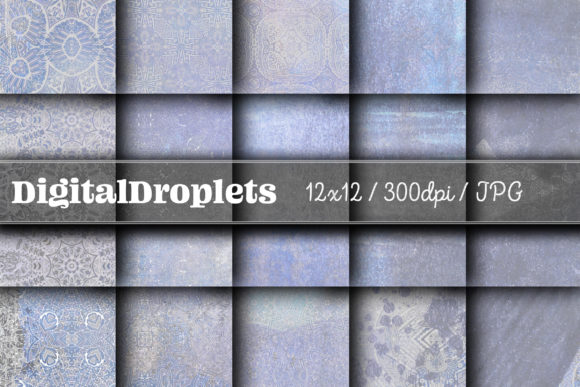
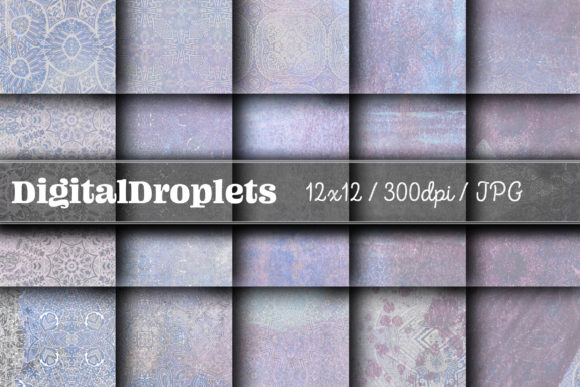
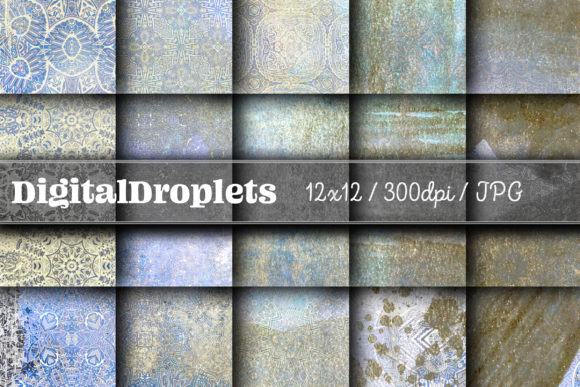
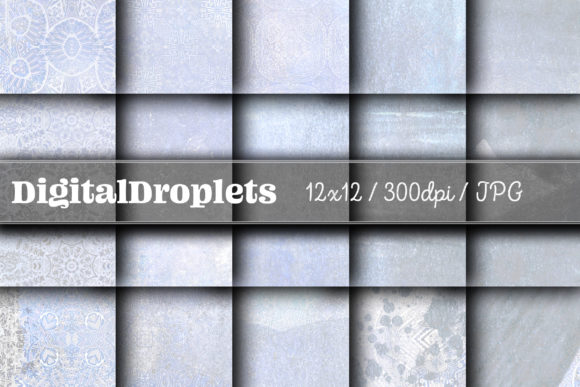
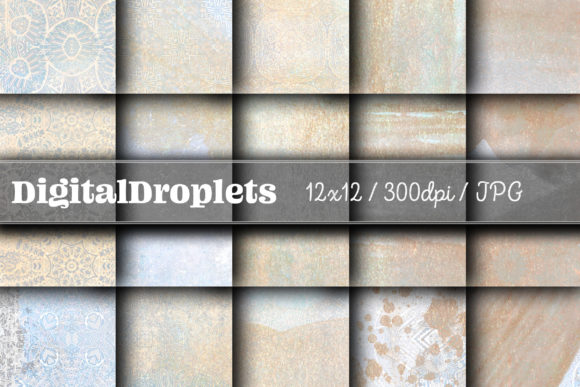
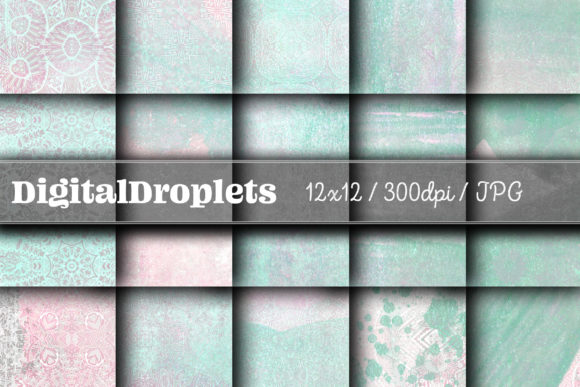
My first impression of the Boho Geom Papers Vol. 138 Collection was one of balanced chaos. There is a distinct mood here that bridges the gap between organic, free-spirited bohemian vibes and rigid, architectural geometry. For an Etsy seller or boutique owner, this visual personality is gold. It feels curated rather than random. The shapes suggest a layout that relies heavily on clean lines and negative space, which is crucial when converting complex backgrounds into stitch data.
In terms of theme, this collection screams "modern nursery" or "upscale coffee shop merch." It lacks the frilly, outdated elements often found in older boho designs, opting instead for a sophisticated, earthy palette potential. When I visualize this as a finished product, I see it working exceptionally well on neutral tones like oatmeal, sage, or terracotta. The design does not shout; it whispers quality, which is exactly what high-end handmade product buyers are looking for today.
Real-World Application: The Tote Bag Test Case
To truly evaluate the Boho Geom Papers Vol. 138 Collection, I imagined a specific client request: a set of custom tote bags for a local farmer's market vendor. She needed branding that felt artisanal but durable. Using these geometric backgrounds as a base for a tote bag design makes immediate sense. Unlike a central logo that might get lost in the folds of a bag, a background pattern can cover the canvas evenly, creating a premium, all-over print effect using thread.
If I were stitching this onto a heavy cotton canvas, the interplay of satin stitch borders and fill stitch interiors would need to be precise. The geometric nature of the design means that any wavering in the stitch path would be immediately obvious to the human eye. However, if the embroidery file is digitized correctly, the result would be a textured, tactile surface that elevates a simple bag into a small shop product worthy of a higher price point. Customers touching this custom apparel or accessory would feel the density and care put into the production, fostering immediate trust in the brand.
Versatility Across Product Lines
Beyond tote bags, the versatility of this collection is impressive for various embroidery project types. Here is how I see it fitting into different niches:
- Sweatshirt Embroidery: Placed on the sleeve or lower back of a oversized hoodie, these geometric shapes add a subtle detail that doesn't overwhelm the garment.
- Baby Embroidery: Softened with pastel thread colors, this works beautifully on muslin swaddles or nursery pillow covers, offering a gender-neutral aesthetic.
- Holiday Embroidery: By swapping in metallic or deep red threads, the same geometric forms can become chic holiday ornaments or table runners.
- Commercial Embroidery: For corporate gifts, the structured nature of the design looks professional on aprons or polo shirts, avoiding the "crafty" look that sometimes undermines business branding.
Technical Considerations and Fabric Challenges
While the aesthetic appeal is high, we must discuss the technical realities of stitching the Boho Geom Papers Vol. 138 Collection. Background patterns often imply large coverage areas, which brings stitch density into the conversation. If you are working with a stretchy fabric like a tri-blend t-shirt, a dense geometric fill can cause puckering or distort the garment's drape. In these cases, I would recommend treating the design more like a running stitch outline or using a lighter fill to maintain fabric flexibility.
Texture is another factor. On highly textured fabrics like waffle knit or looped towels, fine geometric details might get lost. The sharp angles typical of this style require a smooth surface to pop. If you must stitch on textured material, consider increasing the scale of the design or using thicker threads to ensure the visual appeal remains intact. Furthermore, curved surfaces like caps present a challenge. The rigid lines of boho geometry can warp awkwardly over the front panel of a hat unless the digitizing accounts for pull compensation specifically for curved hoops.
Critical Designer Notes for Success
Before you commit to selling items made with this collection, there are several practical steps every craft business owner should take. Do not assume the default settings will work for your specific machine or fabric combination.
- Test on Scrap Fabric: Always run a sample on the exact material you intend to sell. Check how the stabilizer interacts with the fabric weight.
- Check Thread Contrast: Geometric designs rely on contrast. Test your thread colors against both light and dark backgrounds to ensure the lines remain crisp.
- Inspect Small Details: Zoom in on the tight corners of the geometry. Are there enough tie-offs? Will tiny points fray after washing?
- Verify Hoop Size: Ensure the full pattern fits within your available hoop size without needing excessive re-hooping, which can lead to alignment errors.
- Review Licensing: Since this is a collection intended for use in commercial embroidery or printable mockup creation, confirm the license terms regarding resale of finished goods versus digital redistribution.
Final Verdict on Value and Professionalism
The Boho Geom Papers Vol. 138 Collection offers a strong foundation for designers looking to expand their portfolio beyond standard monograms. Its strength lies in its ability to serve as a sophisticated backdrop that enhances rather than dominates a product. For the handmade shop owner, this translates to higher perceived value. A customer is more likely to pay a premium for a personalized gift that features a complex, well-executed background pattern than one with a simple, isolated icon.
However, success with this design depends entirely on execution. It demands respect for fabric limitations and a keen eye for stitching clarity. If used carelessly on inappropriate materials, the geometric precision can highlight flaws. But when paired with the right stabilizer, appropriate thread weights, and a thoughtful product choice—like a structured tote or a high-quality sweatshirt—it becomes a powerful tool for brand consistency and buyer engagement. As with any applique design or complex fill work, the magic happens not in the download, but in the careful preparation and stitching process that follows.