Review: Floral Watercolor Seamless Pattern VLO26
When I first opened the preview for Floral Watercolor Seamless Pattern VLO26, my immediate reaction wasn't just about the aesthetic; it was about translation. As designers, we know that a beautiful digital render doesn't always guarantee a stunning finished product once the needle hits the fabric. This design sits in the Patterns category, which immediately raises questions about repetition, flow, and how it handles the transition from screen to stitch. The watercolor theme suggests softness, blending, and organic movement, but in the world of machine embroidery design, those soft edges can be tricky to execute without losing definition.
The Aesthetic Mood and Visual Personality
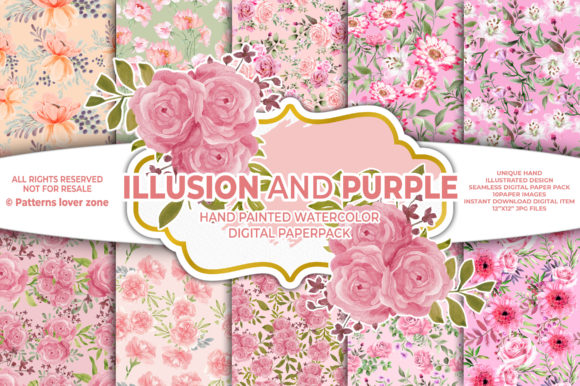
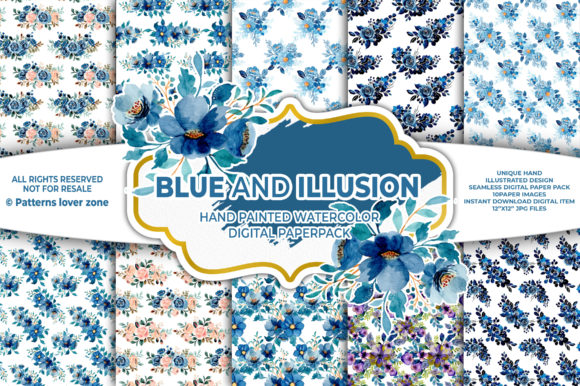
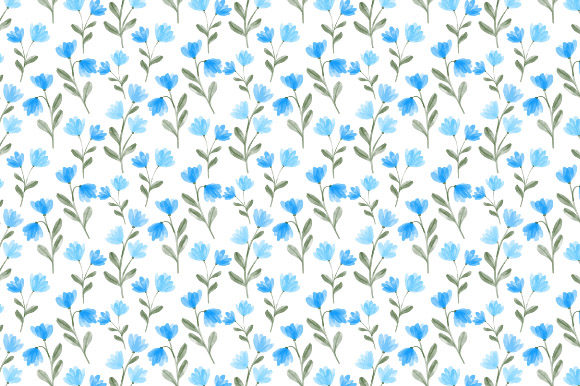
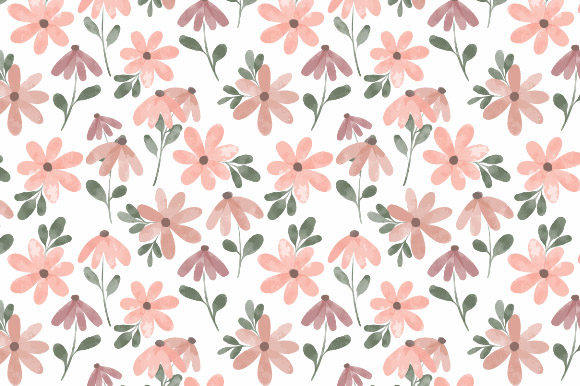
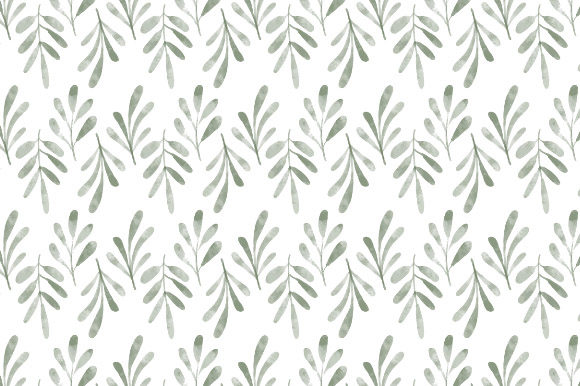
The visual personality of Floral Watercolor Seamless Pattern VLO26 is undeniably gentle and romantic. It captures that washed-out, artistic look where colors bleed into one another, mimicking the effect of wet paint on paper. For a craft business owner or an Etsy seller, this mood is gold. It appeals to customers looking for boutique-quality items rather than mass-produced goods. The layout feels organic, avoiding rigid grids, which is essential for a seamless pattern that needs to look natural when tiled.
However, the detail level requires a critical eye. Watercolor effects in embroidery often rely on careful manipulation of stitch density and thread direction to create the illusion of shading. If the digitizer relied too heavily on dense fill stitch areas, the result could be stiff and cardboard-like. Conversely, if they used too much running stitch to simulate brush strokes, the design might lack coverage on certain fabrics. My first impression is that this design aims for a balance, likely using varied angles in the satin and fill stitches to create depth without overwhelming the material.
Real-World Application: The Tote Bag Test
To truly evaluate Floral Watercolor Seamless Pattern VLO26, I imagined a specific real-life scenario: creating a line of custom tote bags for a local farmer's market. Tote bags are a staple for any small shop product lineup, but they present unique challenges. They are often made of canvas or heavy cotton, which has a distinct fabric texture.
In this scenario, the seamless nature of the pattern allows for versatility. You aren't limited to a small logo on the corner; you could run this pattern across the entire bottom third of the bag or use it as an all-over print on a smaller pouch. The watercolor theme fits perfectly with the "handmade" vibe that buyers expect at markets. When a customer sees this on a tote bag design, they perceive higher value because it looks like art, not just a standard logo. The soft colors suggest a personalized gift quality, making it ideal for bridal showers or teacher appreciation gifts where a touch of elegance is required.
But here is the practical reality check: How does it stitch out? On a heavy canvas, the stitch density must be managed carefully. If the design is too dense, the fabric might pucker, ruining the smooth watercolor gradient. If it's too light, the dark canvas might show through the lighter thread colors, killing the watercolor effect. Before committing to a production run, I would strongly advise testing this embroidery file on scrap fabric that matches your final product exactly.
Versatility Across Apparel and Home Decor
Beyond tote bags, Floral Watercolor Seamless Pattern VLO26 has strong potential in custom apparel. Imagine this pattern on the sleeve of a sweatshirt or the hem of a linen apron. For sweatshirt embroidery, the stretch of the fleece knit requires a robust stabilizer strategy. The watercolor look works beautifully here because the slight texture of the fleece can actually enhance the painterly effect, masking minor stitch imperfections that might be obvious on a smooth polo shirt.
For home decor, think pillow covers or tea towels. A seamless pattern is perfect for border designs on kitchen linens. The organic floral shapes break up the monotony of a straight hem, adding a custom touch that elevates a simple towel into a holiday embroidery gift or a housewarming present. In a nursery setting, the soft palette of this design would work wonderfully on baby embroidery projects, such as blanket borders or bibs, provided the thread choices are baby-safe and the stitch count isn't so high that it creates discomfort against sensitive skin.
Technical Considerations and Fabric Constraints
While the design is versatile, there are scenarios where Floral Watercolor Seamless Pattern VLO26 demands caution. If you are working with thin fabric like silk or lightweight rayon, the weight of the threads needed to achieve the watercolor saturation might cause sagging or distortion. Similarly, on dark fabric, you need to verify if the design includes an underlay or background fill to prevent the fabric color from muting the pastel tones typical of watercolor styles.
Curved surfaces, such as caps or hats, are another area for careful planning. A seamless pattern designed for flat hooping might distort when applied to the front panel of a cap. The curvature can stretch the design horizontally, potentially breaking the seamless illusion. If you intend to use this for headwear, ensure you have the correct hoop size and framing technique to minimize distortion.
Furthermore, consider the washing instructions for the finished product. Items like aprons and tea towels undergo frequent laundering. Dense stitch areas, common in attempts to replicate watercolor depth, can trap detergent or become stiff over time. It is crucial to review the stitch types used. A mix of satin stitch for outlines and softer fill stitches for the interior usually yields the best durability and hand-feel.
Maximizing Value for Your Craft Business
From a business perspective, incorporating Floral Watercolor Seamless Pattern VLO26 into your catalog can significantly boost buyer engagement. Customers are drawn to designs that look complex and artistic but are executed with precision. This design offers a way to differentiate your handmade product from competitors using generic, clip-art style graphics. It adds a layer of professionalism and brand consistency if you use it across various items in your shop.
For those selling digital embroidery file assets or printable mockups, this pattern serves as an excellent example of modern trends. The watercolor aesthetic is evergreen in the design world. However, before listing items made with this design, you must confirm the licensing terms. Can you sell the physical embroidered items? Can you sell the digitized file itself? Always read the license agreement included with the Patterns purchase to avoid legal issues down the road.
Final Designer Notes and Best Practices
To get the most out of Floral Watercolor Seamless Pattern VLO26, follow these practical steps:
- Test First: Never skip the test stitch-out. Use scrap fabric identical to your final material to check for puckering or registration issues.
- Thread Selection: Pay close attention to thread colors. Watercolor effects rely on subtle gradations. Using high-sheen rayon or matte cotton threads can drastically change the final look compared to the digital preview.
- Stabilizer Choice: Match your stabilizer to the fabric. Cut-away stabilizers are often safer for garments that will be washed frequently, while tear-away might suffice for decorative wall hangings.
- Hoop Size: Verify the required hoop size. Since this is a seamless pattern, you may want to stitch multiple repeats. Ensure your machine's maximum hoop area accommodates the layout you envision.
- Contrast Check: View your test stitch in black and white (or take a photo and desaturate it) to ensure the design has enough contrast to be readable from a distance.
In conclusion, Floral Watercolor Seamless Pattern VLO26 is a compelling asset for the thoughtful designer. It bridges the gap between digital art and tactile craft, offering a soft, sophisticated look that resonates with today's market. Whether you are creating a one-off personalized gift or scaling up a commercial embroidery line, this design holds significant potential—provided you respect the technical nuances of embroidery and prepare your materials with care. By treating it as a collaborative partner in your creative process rather than just a file to load, you can produce stunning work that stands out in any Etsy shop or boutique.