Review: Minimalist Wedding Invitation Floral Design
As a designer who spends more time staring at stitch maps than most people care to admit, I approach every new machine embroidery design with a mix of skepticism and curiosity. We have all seen the flood of generic floral patterns that look pretty on a screen but turn into a bird's nest of thread breaks on the machine. So, when I pulled up the files for the Minimalist Wedding Invitation Floral, my first goal wasn't just to admire the aesthetics; it was to figure out if this asset could actually hold up in a real-world embroidery project.
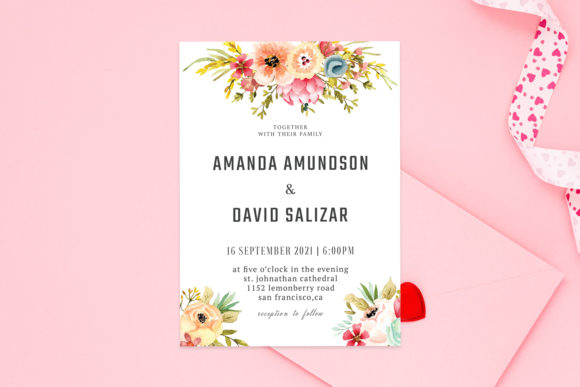
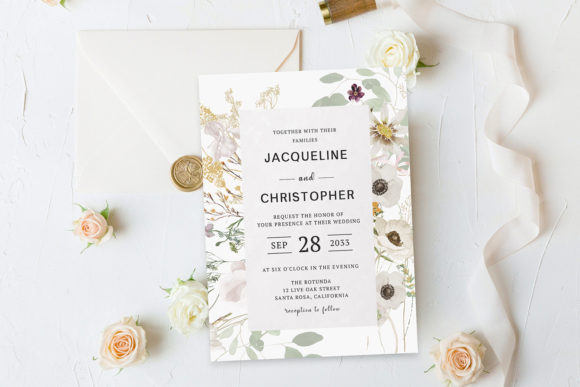
The first impression is one of refined restraint. In an industry often obsessed with dense fills and complex shading, this design chooses silence over noise. The layout suggests a delicate balance, likely relying on clean running stitch outlines and perhaps sparse satin stitch accents rather than heavy block fills. This visual personality immediately tells me where it belongs: it is not a design screaming for attention on a stadium jersey. Instead, it whispers elegance, making it ideal for high-end custom apparel, boutique branding, and sophisticated personalized gifts.
Real-World Application: The Boutique Tote Scenario
To truly test the viability of this design, I imagined a specific client request that many Etsy sellers and craft business owners face daily. Picture a local bridal shop needing a run of fifty canvas tote bag design samples for a wedding expo. They want something that looks expensive but stitches quickly to keep labor costs down.
This is where the Minimalist Wedding Invitation Floral shines. Because the design avoids heavy density, it would sit beautifully on a natural cotton or linen tote without causing the fabric to pucker or warp. A dense floral pattern might make a soft bag feel stiff and cardboard-like, but a minimalist approach preserves the drape and texture of the material. For the finished product, the result is a chic, understated accessory that the bride and her party would actually want to use again, rather than tossing in a closet. It elevates the perceived value of the item instantly, turning a simple canvas bag into a piece of boutique merchandise.
Beyond totes, I can see this working exceptionally well as sweatshirt embroidery on lightweight French terry. Placed subtly on the cuff or near the hem, it adds a touch of custom flair without overwhelming the garment. It is also a strong contender for baby embroidery, where soft, low-profile stitching is crucial for comfort against sensitive skin. The lack of bulky backing or thick thread layers makes it a safe, comfortable choice for nursery decor and infant wear.
Navigating Fabric Textures and Hoop Constraints
However, a professional review must address the limitations. While minimalism is forgiving, it is not immune to poor execution. If you are planning to stitch this onto a textured fabric like a waffle knit or a rough burlap, you need to be cautious. Fine lines in a digital embroidery file can get lost in the "noise" of a coarse fabric texture. In these cases, I recommend testing the design on a scrap piece first to ensure the thread colors provide enough contrast against the background.
Another critical factor is the hoop size. Minimalist designs often rely on negative space. If you try to shrink this design too small to fit a tiny hoop for a pocket logo or a hat front, you risk losing the definition of the petals and stems. The stitch density might need adjustment if you are scaling it down significantly. Always check the minimum recommended size in the product details before committing to a production run.
Curved surfaces present their own challenges. If you are applying this to a cap, the curvature can distort long, straight lines or delicate arcs. A design that looks perfect flat on the screen might look skewed once stitched onto a structured crown. For commercial embroidery projects involving hats, I always advise doing a test run with the exact stabilizer you plan to use. A cut-away stabilizer is often safer than tear-away for maintaining the integrity of fine lines on stretchy or curved materials.
Visual Appeal and Brand Consistency
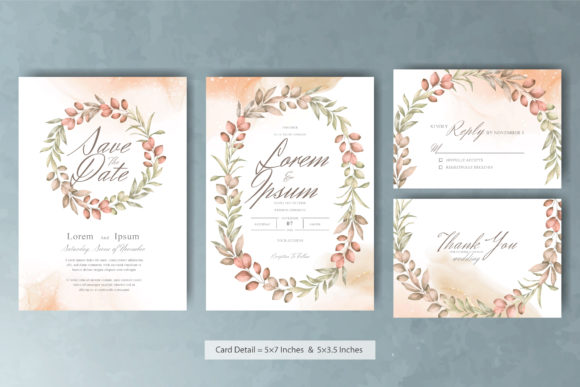
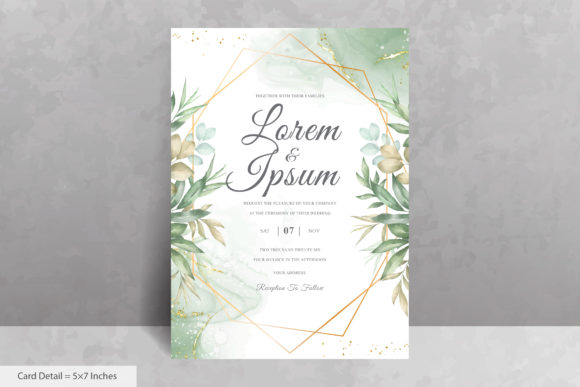
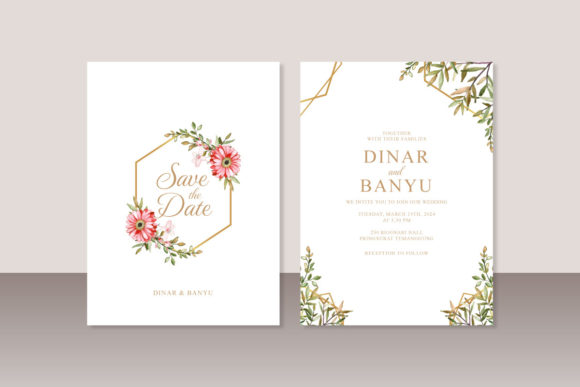
From a branding perspective, the Minimalist Wedding Invitation Floral offers a level of professionalism that busy, cluttered designs cannot match. For small shop product lines, consistency is key. This design acts as a versatile design asset that can be used across various mediums—from paper Print Templates for matching invitations to actual stitched goods—creating a cohesive brand identity.
When a customer sees a clean, well-executed embroidered motif, it builds trust. It signals that the maker cares about detail and quality. Conversely, a design that pulls or gaps due to poor density settings can undermine that trust immediately. The simplicity of this floral motif reduces the risk of thread breaks and trimming issues, leading to a cleaner finished product that requires less post-processing time. This efficiency is vital for anyone running a handmade shop where time is money.
Practical Notes for the Embroiderer
Before you load this embroidery file into your machine, here are a few practical steps I take with any new design:
- Check the Stitch Map: Even with a minimalist design, review the stitch sequence. Ensure that jump stitches are logical and won't create unsightly threads across the back of your work.
- Test Thread Contrast: Minimalist designs live or die by contrast. Test the design in black and white mockups first. If the design relies on subtle tonal shifts, it might vanish on certain fabrics.
- Stabilizer Selection: Do not skimp here. For light fabrics, a mesh cut-away provides stability without bulk. For towels or knits, consider a water-soluble topper to prevent the stitches from sinking into the pile.
- Licensing Verification: Since this falls under Print Templates and digital assets, always confirm the license terms. Can you sell the physical embroidered items? Can you sell the digitized file itself? Never assume; read the terms provided by the creator.
- Fabric Compatibility: Remember that what works on a stable quilting cotton might fail on a stretchy jersey. Always validate your material choice against the design requirements.
In conclusion, the Minimalist Wedding Invitation Floral is a thoughtful addition to a designer's library. It respects the intelligence of the viewer and the limitations of the medium. It is not a design that tries to do everything; instead, it does one thing very well: it adds a touch of timeless grace to everyday objects. Whether you are creating holiday embroidery gifts, expanding your Etsy catalog, or simply looking for a elegant touch for a personal project, this design offers a reliable, professional foundation. Just remember to respect the nuances of your fabric and machine, and this little floral motif will serve you well.