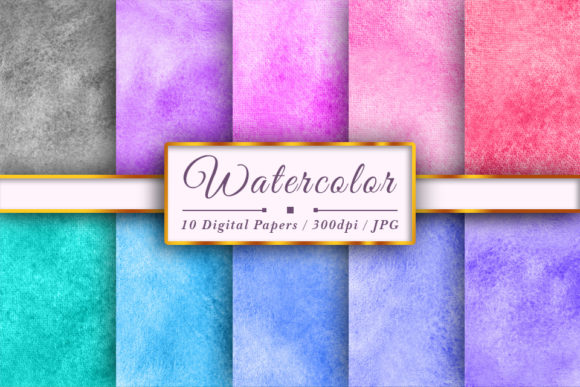
Review: Sublimation Watercolor Digital Papers for Backgrounds
As someone who has spent years building a portfolio of sellable digital assets, I approach every new graphic design asset with a critical eye. It is not just about whether a file looks pretty on a screen; it is about whether it can be transformed into a profitable digital product that stands out in crowded marketplaces like Etsy, Creative Fabrica, or Shopify. Recently, I evaluated the Sublimation Watercolor Digital Papers collection to see if it holds up under the scrutiny of commercial use. My goal was to determine if these files could serve as the foundation for a new seasonal line of printable design items and merchandise.
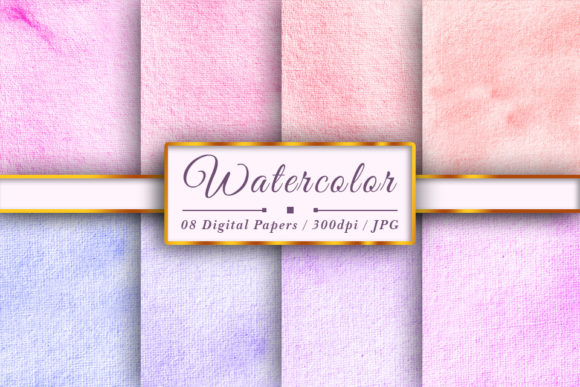
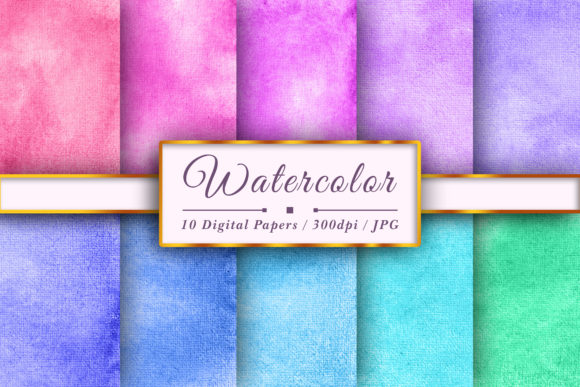
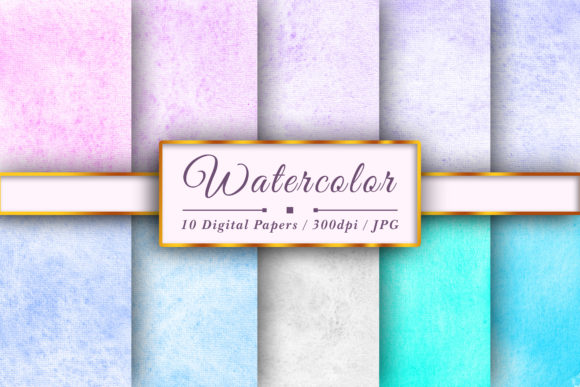
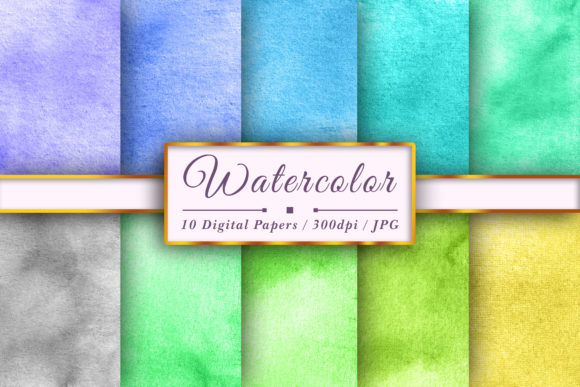
Upon opening the folder, the first impression was one of softness and organic flow. Unlike rigid geometric patterns or flat vector fills, these Backgrounds possess a distinct handmade quality. The watercolor textures bleed naturally, creating depth that feels premium rather than generic. This visual personality suggests a niche appeal targeting buyers who value elegance, femininity, and a touch of rustic charm. For a small business branding project or a handmade business looking to elevate its aesthetic, this mood is invaluable. It avoids the overly playful or cartoonish vibe found in many clipart bundles, leaning instead toward a sophisticated, decorative style that works well for wedding stationery, nursery art, and boutique apparel.
Integrating Assets into Real Product Lines
The true test of any design asset is its versatility across different product types. In my hypothetical shop scenario, I imagined launching a "Spring Botanicals" collection. The Sublimation Watercolor Digital Papers proved incredibly adaptable here. For sublimation design projects, the high-resolution files are ideal for wrapping around curved surfaces. I could easily visualize these patterns on tumbler wraps, where the fluid nature of the watercolor hides seam lines effectively, or on tote bag prints where a large surface area allows the texture to shine.
Beyond physical merchandise, these files are excellent for digital download products. A Canva template seller could use these papers as layered backgrounds for invitation templates or social media kits, adding instant value to a static layout. For those creating SVG design files or PNG design elements, these textures can be clipped into shapes to create unique sticker design packs or clipart bundles. The potential extends to greeting cards, planner stickers, and even packaging design for physical goods. The key is that the watercolor effect adds a layer of perceived value that solid colors simply cannot match.
Enhancing Product Presentation and Click-Through Rates
In the world of online selling, your thumbnail is everything. Using Sublimation Watercolor Digital Papers in your product mockup previews can significantly boost click-through potential. When I placed these textures behind a mock t-shirt design or a mug design, the listing image immediately felt more cohesive and professional. This aids in visual storytelling, helping the customer imagine the final product in their home or wardrobe.
Consistency is also crucial for brand identity. By using a unified set of watercolor backgrounds across a design bundle, you create a recognizable look that builds customer trust. Whether you are selling an Etsy product or listing on a creative marketplace, this visual hierarchy guides the buyer's eye and makes the collection feel curated rather than random. It turns a simple file into a comprehensive commercial design solution.
Strategic Placement and Limitations
While these assets are powerful, they are not a one-size-fits-all solution. They work best in applications where texture is an advantage. Large product previews, themed bundles, and decorative layouts benefit immensely from the organic edges of the watercolor style. They are perfect for social media graphics where engagement relies on visual appeal, and for print-on-demand items where the fabric or substrate interacts well with ink diffusion.
However, caution is required when dealing with precision. If you are creating a Cricut project that requires clean cutting lines, the soft edges of a watercolor wash might cause issues with weeding or layering unless converted carefully into a high-contrast vector. Similarly, avoid using these busy textures behind text-heavy templates. The lack of uniform negative space can reduce readability, violating basic principles of visual hierarchy. They should also be used carefully on dark backgrounds if the original files are light; without proper blending modes or opacity adjustments, they can look washed out or artificial.
Practical Notes for the Commercial Seller
Before publishing any listing based on these files, rigorous testing is non-negotiable. Here is my checklist for ensuring quality control:
- Test on Real Mockups: Never rely solely on the flat file view. Apply the texture to a 3D mockup to see how light and shadow interact with the watercolor grains.
- Check Contrast: Preview the design on both white and dark backgrounds to ensure versatility for different customer needs.
- Verify Resolution: Confirm the DPI is sufficient for large format prints like wall art to avoid pixelation.
- Inspect Transparency: If using as a PNG design, check the edges for unwanted white halos.
- Font Pairing: These organic textures pair beautifully with script fonts and handwritten fonts for a romantic look, or bold sans serif fonts for a modern contrast. Avoid overly ornate display fonts that might compete with the texture.
- Licensing: Always confirm the commercial license terms. Ensure you are allowed to sell finished products like illustration-based merch or incorporated Canva template files.
Ultimately, the Sublimation Watercolor Digital Papers offer a robust foundation for a diverse range of creative entrepreneurs. Whether you are a blogger needing fresh blog graphics, a designer creating scrapbooking kits, or a POD seller expanding into home decor, these assets provide the artistic flair needed to differentiate your shop. By understanding their strengths in texture and mood, while respecting their limitations regarding precision and text legibility, you can leverage them to build a professional, profitable, and visually stunning product collection.