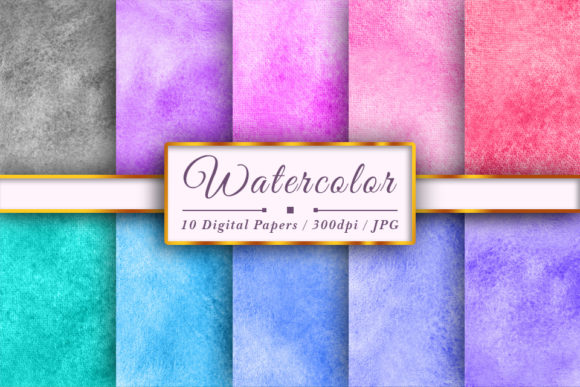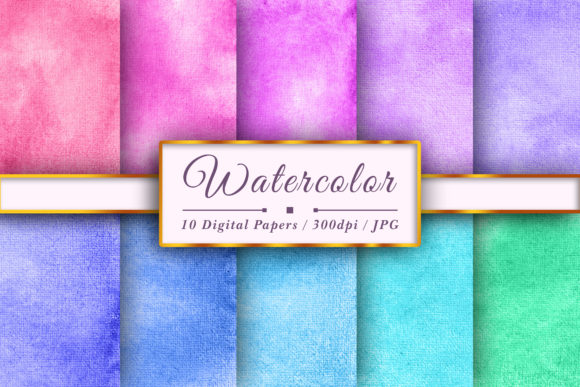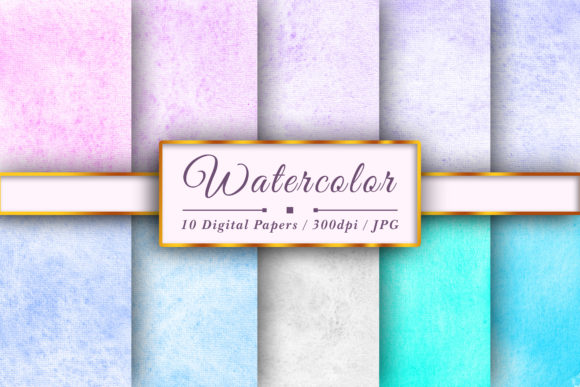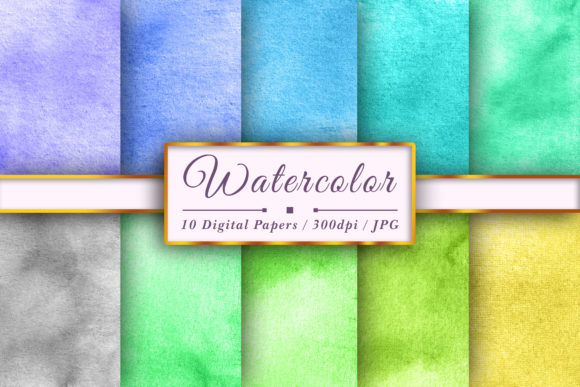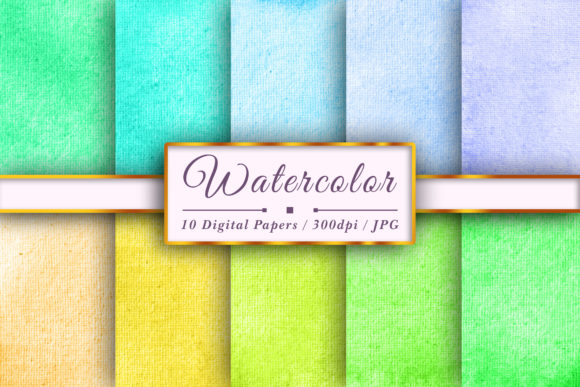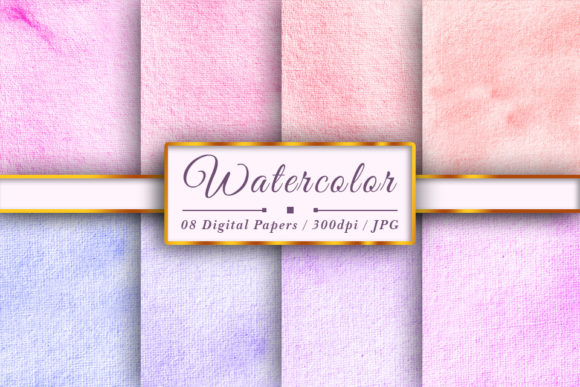
Watercolor Sublimation Digital Papers for Backgrounds
As a brand designer and content marketer, I approach every new graphic design asset with a critical eye. It is not enough for a file to look pretty in isolation; it must perform under the pressure of a real-world campaign. Recently, I evaluated the Watercolor Sublimation Digital Papers collection for an upcoming product launch by a boutique lifestyle brand. The client needed to refresh their visual identity to feel more organic and approachable without sacrificing professional polish. My goal was to determine if these Backgrounds could serve as the foundation for a cohesive marketing strategy that drives engagement and builds audience trust.
The First Impression: Mood and Emotional Resonance
Upon opening the files, the immediate sensation is one of fluidity and softness. Unlike rigid geometric patterns or harsh digital gradients, these watercolor textures bring a human touch to the screen. The mood created is inherently calming yet vibrant, striking a balance that is perfect for brands selling handmade goods, wellness products, or creative services. For a small business owner trying to differentiate themselves in a crowded market, this emotional tone is invaluable. It suggests authenticity and care, qualities that modern consumers actively seek. When used correctly, these assets transform a standard promotional post into a piece of art, signaling to the viewer that the brand values aesthetics and quality.
Integrating Textures into a Real Marketing Workflow
To test the versatility of the Watercolor Sublimation Digital Papers, I simulated a full-scale campaign for a seasonal product drop. The workflow began with social media graphics. For Instagram stories and posts, the subtle variations in the watercolor wash provided just enough texture to make text pop without creating visual noise. I found that these backgrounds worked exceptionally well for Pinterest pins, where the organic flow of the colors draws the eye down the feed, encouraging clicks.
Moving beyond social media, I explored their potential in packaging design and product labels. Because these are sublimation-ready files, they are ideal for transferring onto physical merchandise like tote bags, mugs, or journal covers. In a digital product context, such as an eBook cover or a webinar slide deck, the papers add a layer of sophistication that flat colors simply cannot achieve. They serve as excellent bases for Canva templates, allowing non-designers within a team to maintain visual hierarchy while creating diverse content like email banners, blog headers, and media kits.
Strategic Advantages for Brand Identity
The primary strength of this design bundle lies in its ability to strengthen brand recognition. Consistency is the cornerstone of professional branding, and having a set of coordinated backgrounds ensures that every touchpoint—from a Facebook ad to a printable flyer—feels part of the same family. This consistency fosters audience trust; customers begin to associate the specific watercolor style with the brand's promise of quality.
Furthermore, these assets support better product presentation. By placing a product photo over a soft, complementary watercolor background, the item becomes the hero of the image rather than competing with a busy pattern. This is crucial for commercial design where the ultimate goal is conversion. The organic nature of the watercolor also helps in creating an emotional connection, making the marketing visuals feel less like a sales pitch and more like an invitation to a lifestyle.
Ideal Applications for Maximum Impact
Based on my review, the Watercolor Sublimation Digital Papers shine brightest in specific scenarios:
- Hero Graphics: Use them as the backdrop for website headers or landing page banners to set an immediate tonal expectation.
- Campaign Headers: Perfect for announcing sales, new collections, or event registrations where a festive yet elegant vibe is needed.
- Branded Templates: Incorporate them into downloadable resources or lead magnets to increase perceived value.
- Packaging Accents: Ideal for lining boxes or creating custom stickers that enhance the unboxing experience.
- Editorial Layouts: Great for magazines, lookbooks, or long-form blog posts where large blocks of text need a soothing visual break.
Navigating Limitations and Design Constraints
However, a responsible designer must also identify where these assets might falter. While beautiful, watercolor textures can struggle in formal corporate branding contexts that require stark minimalism or rigid structure. They should be used carefully in dense information layouts; if there is too much text or complex data, the underlying texture might reduce readability. Additionally, for small mobile graphics where space is at a premium, high-contrast areas of the watercolor could compete with the main message. It is also vital to avoid using them as low-contrast backgrounds for white text unless a solid overlay is added. Brands that rely on an overly minimal, Swiss-style aesthetic might find the organic unpredictability of watercolor clashes with their core identity.
Practical Notes for the Professional Designer
Before deploying these design assets in a paid campaign or client work, several practical steps are essential. First, always test the files against your specific brand color palette. Watercolors often contain multiple hues, so ensure they harmonize with your primary logo colors. Second, check how the design translates to black and white, as some marketing channels may print in grayscale. Third, place the assets inside real campaign mockups to gauge scale and impact. Previewing on mobile screens is non-negotiable to ensure details do not blur or become distracting.
Typography pairing is another critical consideration. These backgrounds pair beautifully with script fonts and handwritten fonts to enhance the handmade feel, but they also provide a nice contrast to clean sans serif fonts for a modern look. Avoid overly decorative display fonts that might get lost in the texture. Finally, always review the licensing terms. Ensure you have a valid commercial license before using these images for client projects, merchandise for sale, or large-scale advertising. Confirming these details protects your business and ensures your content marketing efforts remain legally sound.
In conclusion, the Watercolor Sublimation Digital Papers represent a versatile and emotionally resonant tool for today's creative entrepreneurs. When applied with strategic intent, they elevate marketing visuals from functional to memorable, helping brands tell their stories with grace and style.