Review: Watercolor Pattern Texture Design for Embroidery
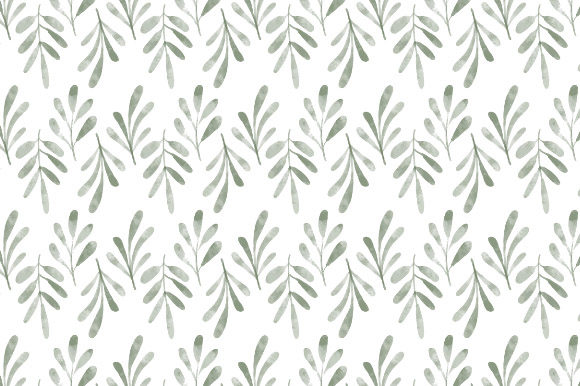
As a designer who spends more time staring at stitch simulations than most people care to admit, I approach every new machine embroidery design with a mix of excitement and skepticism. When I first loaded the Watercolor Pattern Texture Design onto my screen, my immediate reaction was one of relief. Too often, "textured" or "watercolor" styles in the digital realm translate to messy, over-saturated clusters of stitches that look muddy once threaded up. However, this specific file from the Patterns category manages to capture that soft, artistic bleed of watercolor paint while maintaining the structural integrity required for a clean finished product.
The Aesthetic: Softness Meets Structure
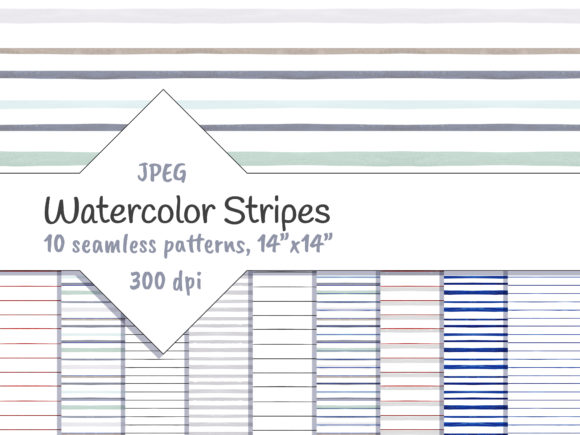
The visual personality of this design is gentle yet distinct. It avoids the harsh, blocky edges that plague many lower-quality downloads, opting instead for a nuanced blend of fill stitch variations that mimic the organic flow of water on paper. The layout feels open and breathable, which is crucial when you are trying to achieve an artistic look without creating a cardboard-like stiffness on the fabric. For those of us selling handmade products, this balance is everything. Customers want the look of art, but they still expect their garments to drape and move naturally.
What stands out most is the mood it creates. It feels modern, slightly bohemian, and incredibly versatile. It doesn't scream for attention with neon brightness; rather, it invites a closer look. This makes it an excellent candidate for boutique branding where subtlety equates to higher perceived value. Whether you are creating a printable mockup for an Etsy listing or stitching a sample for a craft fair table, this design assets offers a level of sophistication that elevates the entire presentation.
Real-World Application: The Tote Bag Test
To truly gauge the viability of any embroidery file, I have to imagine it in a real-life scenario. Let's say I am preparing a custom order for a local florist who needs branded tote bag design options for her shop. She wants something that looks hand-painted but needs to withstand the weight of grocery runs and weekend markets. The Watercolor Pattern Texture Design fits this brief perfectly.
On a canvas tote, the texture of the fabric complements the organic nature of the pattern. Because the design avoids overly dense saturation in any single area, it doesn't pucker the heavy cotton material. If I were to use this for sweatshirt embroidery, the result would be equally impressive. The softness of the stitch work pairs beautifully with fleece or French terry, avoiding that stiff, plastic feel that customers often complain about with cheaper custom apparel. For a personalized gift, such as a nursery blanket or a baby onesie, the gentle aesthetic is ideal. It feels safe, warm, and lovingly crafted, which is exactly the emotional response we want to trigger in buyers.
Where Caution is Required
However, no design is universal, and a professional review must highlight the limitations. While the Watercolor Pattern Texture Design excels on medium-to-heavy weight woven fabrics, I would advise caution when using it on stretchy knits or very thin silks. The interplay of stitches required to create the texture might cause slight gathering if the stabilizer isn't chosen correctly. Always test on scrap fabric first.
Additionally, consider the hoop size relative to your project. If you are attempting to place this on a curved surface like a cap, the larger repeating elements of the pattern might distort near the seams. It is also worth noting that on very dark fabrics, the lighter tones inherent in a watercolor style might get lost unless you are using high-contrast thread colors or a white underlay strategy. For small details, ensure your machine is well-oiled and your needles are fresh; tiny running stitches can sometimes get lost if the tension is even slightly off.
Commercial Viability and Brand Consistency
For the Etsy seller or the owner of a small shop product line, consistency is key. This design offers a reliable foundation for building a cohesive collection. Imagine a series of kitchen towels, aprons, and pillow covers all featuring variations of this pattern. The visual thread ties the products together, reinforcing brand recognition. When a customer sees that specific texture, they should immediately think of your shop.
In terms of commercial embroidery projects, efficiency matters. While I cannot specify the exact stitch count without seeing the specific file version you downloaded, designs in this style generally require a balanced approach to density. If the file is too dense, your production time increases, and thread consumption spikes. If it is too light, the fabric shows through, ruining the effect. My recommendation is to run a test stitch-out on your specific machine model. Check how the satin stitch borders (if present in your version) interact with the fill areas. Smooth transitions here indicate a well-digitized file that will save you headaches during bulk orders.
Final Designer Notes for Success
Before committing this design to a client's order, there are a few practical steps every responsible creator should take. First, verify the licensing terms. Just because a file looks good doesn't mean it is cleared for unlimited commercial use. Confirm whether you can sell the digital embroidery file itself or only the physical finished product.
Second, play with your thread palette. While the default color suggestions in your software might be standard, this design shines when you experiment with variegated threads. A single spool of multi-tonal thread can enhance the watercolor effect significantly, adding depth without extra stitching time. Third, inspect the small corners and detailed areas. Zoom in on your digitizing software to ensure there are no unnecessary jump stitches or trims that could slow down your workflow.
Ultimately, the Watercolor Pattern Texture Design is a strong contender for anyone looking to add an artistic flair to their repertoire. It bridges the gap between digital precision and handmade charm. Whether you are decorating a holiday gift, launching a new line of baby embroidery items, or simply refreshing your portfolio of design assets, this pattern holds up under scrutiny. It respects the medium of embroidery while pushing the visual boundaries of what a standard pattern can achieve. With the right fabric, proper stabilization, and a keen eye for detail, this design can become a staple in your creative business, delivering results that make customers smile and keep them coming back for more.