Watercolour Dragonfly Frame: A Designer's Review
When I first pulled up the Watercolour Dragonfly Frame on my screen, I wasn't looking for another generic floral border. As someone who spends hours digitizing and stitching for clients, I know that a "frame" design can easily become a trap. If the corners are too dense or the flow is rigid, it ruins the drape of a garment or looks like a sticker rather than part of the fabric. However, this specific design caught my eye because of its implied softness. The title suggests a watercolour aesthetic, which in the world of machine embroidery design, usually translates to varied stitch angles, lighter densities, and a more organic feel. My immediate thought was to test whether this digital promise holds up under the needle, especially for high-value items like boutique tote bags or personalized baby gifts.
The Visual Personality and Mood
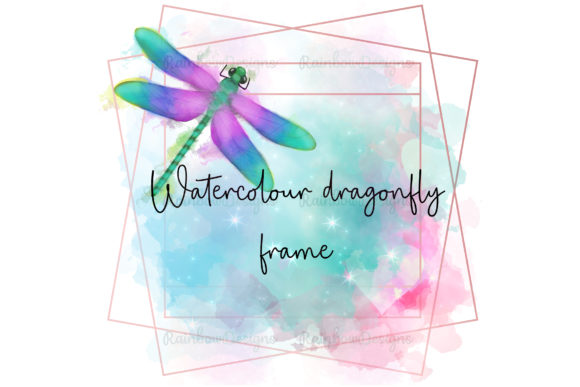
The first thing you notice about the Watercolour Dragonfly Frame is its gentle approach to nature themes. Unlike traditional botanical frames that rely on heavy satin columns and rigid geometric symmetry, this layout feels breathable. The dragonfly motif acts as a focal point without dominating the entire composition, allowing the surrounding elements to create a sense of movement. For a designer, this is crucial. When you are creating a handmade product, the embroidery should enhance the base item, not overwhelm it. The visual personality here is whimsical yet refined, making it an excellent candidate for spring collections, nursery decor, or bridal shower gifts where a heavy, industrial look would be out of place.
In terms of layout, the frame appears designed to cradle text or a monogram effectively. This versatility is what separates a good embroidery file from a great one. Whether you are placing it on the chest of a linen shirt or centering it on a kitchen towel, the negative space within the frame seems intentional. It invites customization, which is a massive selling point for Etsy sellers and custom apparel decorators who need to offer personalization without redesigning the entire project from scratch.
Real-World Application: The Boutique Tote Scenario
To truly evaluate this design, I imagined a specific real-life scenario: producing a run of canvas tote bags for a local farmer's market vendor. The client wanted something that felt artisanal and eco-friendly. The Watercolour Dragonfly Frame seemed perfect for this. On a natural cotton canvas, the softer stitch definitions of a watercolour-style design mimic the texture of the fabric better than a high-gloss satin finish would.
If I were stitching this onto a tote, I would focus on how the stitch density interacts with the weave of the canvas. A design that is too dense can cause the fabric to pucker or the bag to lose its shape when filled with groceries. The open, airy nature suggested by this frame likely mitigates that risk. Furthermore, for a small shop product, the perceived value is key. A customer is more likely to pay a premium for a bag that looks like a piece of art rather than a mass-produced logo. The dragonfly element adds a touch of narrative—it suggests nature, freedom, and delicacy—which aligns perfectly with the branding of many handmade businesses.
Beyond totes, this design would shine on sweatshirt embroidery. Fleece and French terry can be tricky; heavy designs sink into the pile and lose definition. The likely use of fill stitch variations and perhaps some running stitch details in this frame would allow the design to sit on top of the fabric, maintaining clarity even on textured materials. It would also work beautifully as a baby embroidery element on a onesie or blanket, where softness against the skin is non-negotiable.
Technical Considerations and Fabric Challenges
While the aesthetic is promising, a professional review must address the technical hurdles. Not every fabric is a friend to every design. With the Watercolour Dragonfly Frame, caution is advised when working with stretchy knits or very thin silks. Even with a lighter density, any frame structure has the potential to restrict fabric stretch if not stabilized correctly. I would strongly recommend using a high-quality cut-away stabilizer for garments that will undergo frequent washing, ensuring the finished product retains its shape over time.
Dark fabrics present another consideration. Watercolour effects often rely on the interplay of thread colors to create depth. If the thread colors selected do not have enough contrast against a navy or black background, the subtle details of the dragonfly wings or the frame's edges might get lost. Before committing to a production run, it is wise to test the design in a black-and-white mockup or stitch it out on a scrap piece of the actual dark fabric you intend to use. This simple step can save you from ruining expensive inventory.
Additionally, pay attention to the hoop size. Frames often push the limits of standard hoops. Ensure your machine can accommodate the dimensions required for the Watercolour Dragonfly Frame without needing to re-hoop mid-design, which can lead to alignment issues. If you are planning to use this on curved surfaces like caps, verify that the design elements aren't too close to the outer edge, as the curvature can distort the image.
Enhancing Brand Value and Customer Trust
For creative entrepreneurs and digital product sellers, the choice of design assets directly impacts brand consistency. Using a cohesive, high-quality frame like this across different products—from aprons to pillow covers—creates a recognizable visual language. Customers begin to associate that specific style of embroidery with your brand's quality. It builds trust. When a buyer receives a personalized gift that looks professionally executed, with clean stitches and thoughtful composition, they are more likely to return or recommend your craft business to others.
The Watercolour Dragonfly Frame also serves as a powerful tool for marketing. In printable mockups or social media previews, the intricate details of the dragonfly catch the eye as users scroll through feeds. It stops the thumb. For commercial embroidery projects, having a design that photographs well is half the battle won. It suggests a level of sophistication that justifies higher price points.
Final Designer Notes and Best Practices
Before integrating the Watercolour Dragonfly Frame into your workflow, here are a few practical steps to ensure success:
- Test on Scraps: Always stitch a sample on the exact fabric weight and type you plan to use for the final product.
- Check Licensing: Since this falls under Print Templates or digital assets, confirm the license terms. Are you allowed to sell the finished physical items? Can you resell the digital file? Clarity here protects your business.
- Thread Selection: Experiment with variegated threads to enhance the watercolour effect, or stick to matte finishes for a more subdued, vintage look.
- Density Check: If the design feels too stiff after stitching, consider editing the file to reduce fill density if your software allows, or switch to a lighter stabilizer.
- Detail Inspection: Zoom in on the tiny corners of the frame and the dragonfly's wings. Ensure there are no excessive jump stitches that could snag during washing.
In conclusion, the Watercolour Dragonfly Frame offers a blend of artistic flair and practical utility that is rare in stock designs. It respects the fabric it sits on and elevates the items it adorns. Whether you are a hobbyist making gifts for family or an Etsy seller building a summer collection, this design provides a solid foundation for creating memorable, high-quality embroidered goods. Just remember that the magic lies in the execution—proper stabilization, thoughtful thread choices, and careful testing will turn this digital file into a stunning tangible reality.