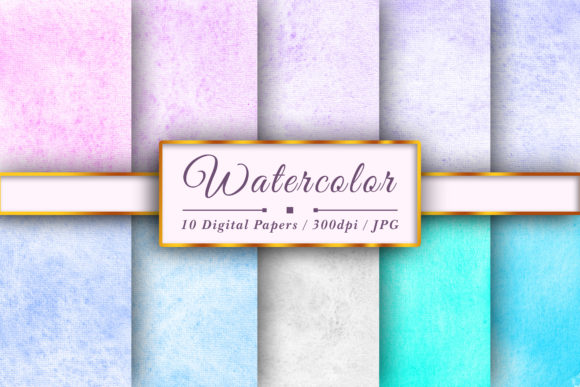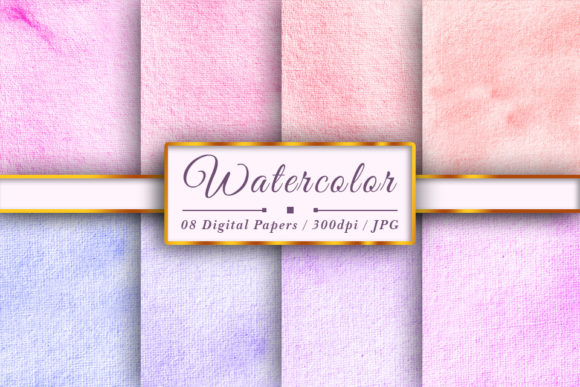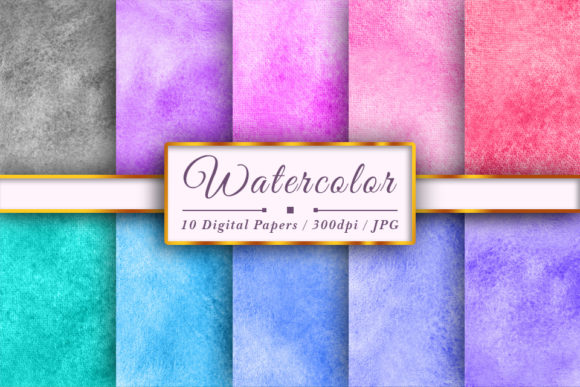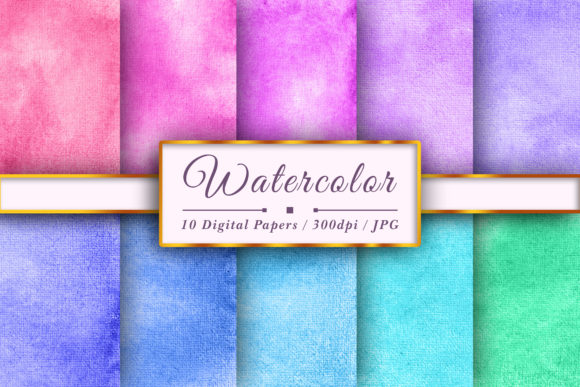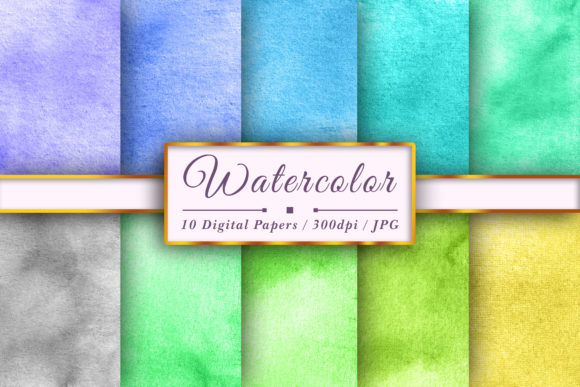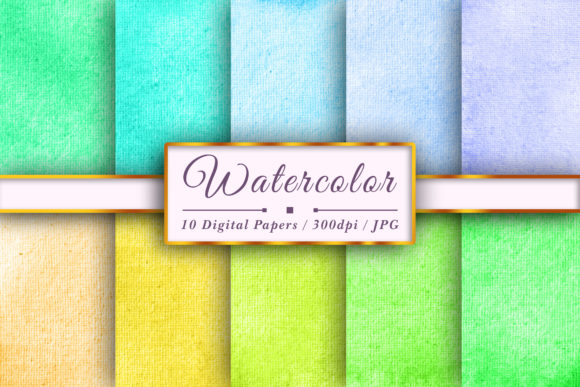
Watercolor Sublimation Texture Paper for Backgrounds
As a digital seller who has spent years curating assets for Etsy shops and print-on-demand stores, I approach every new graphic design asset with a critical eye. It is not just about whether an image looks pretty; it is about whether it solves a problem for my customers and translates well into a sellable digital product. Recently, I evaluated the Watercolor Sublimation Texture Paper collection to see if it could anchor a new line of Backgrounds for my upcoming seasonal launch. My goal was to determine if these textures offered enough versatility to support a range of commercial projects, from sublimation mugs to Canva templates.
First Impressions and Market Fit
Upon opening the files, the immediate impression was one of organic elegance. Unlike some digital papers that feel flat or overly repetitive, this Watercolor Sublimation Texture Paper set captures the genuine unpredictability of hand-painted media. The color transitions are soft yet distinct, creating a mood that feels both premium and handmade. This visual personality is crucial because it appeals directly to the current market trend where buyers seek authenticity over perfection.
For sellers targeting the wedding, nursery, or boutique lifestyle niches, these Backgrounds are a goldmine. They strike a balance between being decorative enough to stand alone as art and subtle enough to serve as a backdrop for text or other graphics. Whether you are building a brand identity for a small business or creating assets for a creative marketplace, the aesthetic suggests quality. It avoids the "cheap clipart" look that can plague lower-tier design bundles, making it suitable for higher-priced items like custom invitation suites or high-end printable wall art.
Practical Applications for Sellable Products
The true test of any commercial design is its adaptability across different product types. I mapped out several use cases for the Watercolor Sublimation Texture Paper to see how it would perform in a real shop environment:
- Sublimation Designs: The high resolution makes these textures ideal for full-wrap tumbler designs and mug wraps. The watercolor bleed effect hides minor alignment errors common in DIY sublimation.
- Printable Wall Art: These files work beautifully as standalone abstract prints or as layered backgrounds for typography-based quotes.
- Planner Stickers and Journals: When scaled down, the texture adds depth to digital planner kits without overwhelming the functional elements.
- Greeting Cards and Invitations: The soft edges provide a romantic or rustic feel, perfect for wedding stationery or baby shower invites.
- Apparel Graphics: For t-shirt designs, especially those using direct-to-garment (DTG) printing, the texture mimics a vintage, worn-in look that is currently popular.
- Canva Templates: Social media managers and bloggers can use these as branded backgrounds for Instagram stories or Pinterest pins, adding a cohesive look to their feed.
- Packaging Design: Small business owners can incorporate these textures into thank-you cards or product labels to enhance their unboxing experience.
Enhancing Product Presentation and Trust
In the crowded world of online selling, your product mockup is your storefront. Using high-quality Backgrounds like the Watercolor Sublimation Texture Paper can significantly boost click-through rates. When I tested these textures in listing images, they provided a professional finish that elevated the perceived value of the entire bundle.
Visual storytelling is key to converting browsers into buyers. By using these textures consistently across a seasonal collection, you create a strong brand identity. Customers begin to recognize your style, which builds trust. Furthermore, when used in social media graphics or promotional visuals, the rich texture stops the scroll. It signals to the potential buyer that the digital download they are about to purchase is crafted with care, rather than generated by a basic algorithm.
Strategic Placement and Limitations
While versatile, this asset is not a one-size-fits-all solution. It works best in large product previews, themed bundles, and decorative layouts where the texture can breathe. It shines in merchandise graphics where the substrate (like ceramic or fabric) complements the watercolor look.
However, caution is required in specific scenarios. If you are designing tiny sticker details or intricate Cricut projects that require precise cut lines, the soft, bleeding edges of watercolor might cause issues with weeding or cutting accuracy. Similarly, avoid using these textures on dark backgrounds unless the file includes a solid opaque layer, as transparency can sometimes result in muddy colors. For text-heavy templates, ensure there is sufficient contrast; placing dark text over a busy watercolor section can reduce readability and hurt the visual hierarchy of your design.
Seller Notes and Quality Control
Before listing any item featuring the Watercolor Sublimation Texture Paper, I recommend a rigorous testing phase. Here is a checklist based on my experience:
- Test on Real Mockups: Do not rely solely on screen views. Apply the texture to a 3D mockup of a mug or shirt to see how it wraps around curves.
- Check Contrast: Preview the design on both white and dark surfaces to ensure visibility.
- Verify Resolution: Confirm the DPI is at least 300 for print products to avoid pixelation.
- Inspect Transparency: If selling as a PNG design, check the edges for unwanted white halos.
- Font Pairing: These textures pair exceptionally well with script fonts for a feminine touch or bold sans serif fonts for a modern contrast. Avoid overly ornate display fonts that might clash with the organic texture.
- Licensing: Always confirm the commercial license terms. Ensure you are allowed to sell finished products like shirts or mugs, not just redistribute the raw files.
- File Organization: If bundling these for customers, organize files clearly by color or theme to enhance the user experience.
Ultimately, the Watercolor Sublimation Texture Paper is a robust tool for the creative entrepreneur. It bridges the gap between digital convenience and artistic soul. When used strategically, it can transform a standard Etsy product into a standout bestseller, providing the aesthetic foundation needed to build a loyal customer base in the competitive landscape of print-on-demand and digital goods.